High intake of processed food and table salt raises sodium intake

Most sodium in a typical diet does not come from the salt shaker at the table — it comes from packaged, canned and restaurant food, where salt is added during processing to preserve texture and flavor. The USDA WIC Works program notes that a heart-healthy eating pattern keeps sodium low specifically because excess sodium raises blood pressure, and sustained high blood pressure is one of the strongest drivers of cardiovascular disease risk.
The mechanism is straightforward and worth tracking with numbers rather than impressions. Sodium pulls extra fluid into the bloodstream, which raises the volume of blood the heart has to push against artery walls. Over months and years, that added pressure damages vessel linings and forces the heart to work harder, contributing to the vascular disease and stroke risk described by the Mayo Clinic's heart-healthy diet guidance. The DASH eating plan — Dietary Approaches to Stop Hypertension — was built and tested specifically to reverse this chain: lower sodium, more fruit, vegetables, whole grains and low-fat dairy, less added salt in cooking. Cutting back on processed food and following a DASH-style pattern is the most direct, measurable way to bring sodium intake down and blood pressure with it, according to the review of heart-healthy diet prevention evidence.
Diet built on refined grains, red or processed meat and added-sugar foods
A diet dominated by white bread, pastries, deli meat and sugar-sweetened foods and drinks does two things at once: it adds sodium, saturated fat and added sugar, and it crowds out the vegetables, fruit, whole grains and fish that a cardiac diet is supposed to be built on. The UC Davis cardiovascular dietitian's guidance frames this as a substitution problem rather than a restriction problem — the plate has a fixed number of slots, and what fills them matters as much as what is removed.
The practical fix is a swap, not a subtraction:
- Refined white rice, bread and pasta → whole-grain versions (brown rice, oats, whole-wheat bread)
- Red or processed meat (bacon, sausage, deli slices) → fish, skinless poultry, beans or lentils
- Sugar-sweetened drinks and packaged desserts → fruit, unsweetened dairy, water
The Harvard Health overview of heart-healthy foods recommends filling roughly half the plate with vegetables and fruit, a quarter with whole grains, and a quarter with lean protein such as fish or legumes — a rough visual guide that avoids needing a food scale for every meal.
Added sugar and sodium are mostly hidden in packaged foods, not the salt shaker
Added sugar and sodium both come mostly from packaged and prepared food, not from what a home cook adds by hand. Bread, canned soup, jarred sauce, flavored yogurt and frozen meals routinely carry sodium and added sugar the eater never sees measured out, which is why cutting the salt shaker alone rarely moves the needle much.
Reading the nutrition label is the only reliable way to catch this, and it takes checking three lines rather than one:
| What to check | Where it's listed | What it tells you |
|---|---|---|
| Sodium per serving | Nutrition Facts panel | Compare against a daily target, not a per-item feel |
| Added sugars | Listed separately from "Total Sugars" | Distinguishes processing sugar from sugar naturally in fruit or milk |
| Serving size | Top of the label | The sodium and sugar figures only apply to that stated amount, not the whole package |
The Mayo Clinic's eight-step heart-healthy plan recommends comparing similar products side by side and choosing the lower-sodium, lower-added-sugar option, and cooking more meals at home so the amount of salt and sugar added is something the cook controls directly rather than something set by a manufacturer.
Fruit
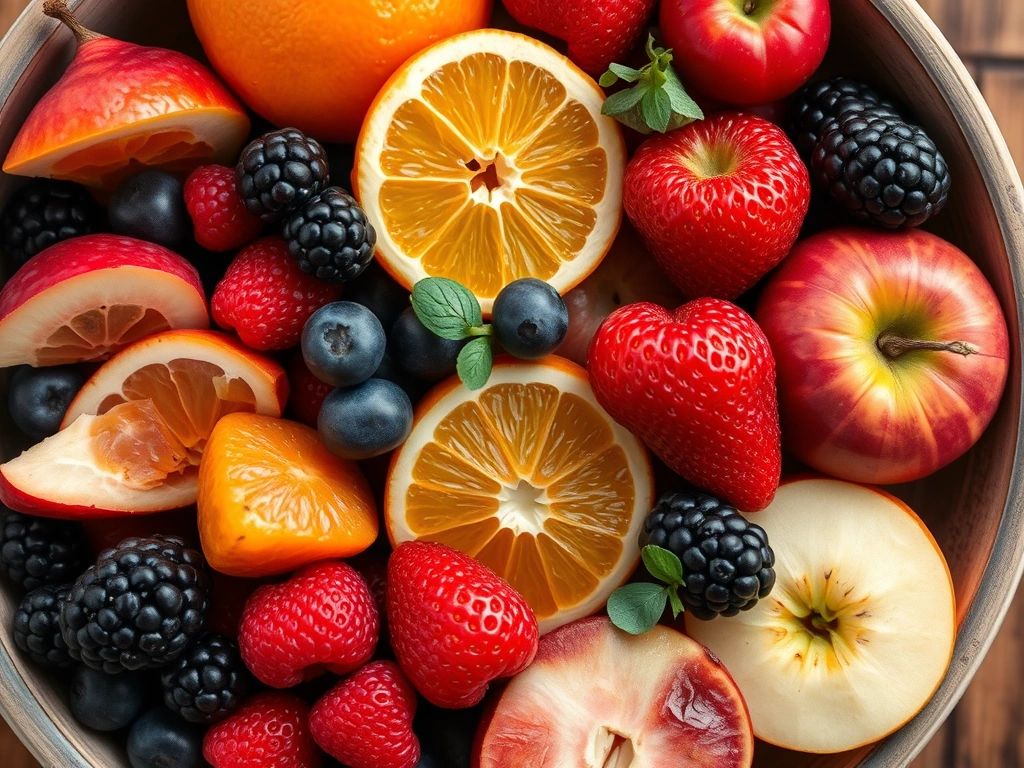
Fruit is one of the core food groups a cardiac diet is built around, and it is counted in daily servings rather than eaten without limit. A serving is typically a small whole piece of fruit, about half a cup of chopped fruit, or a similar small portion of dried fruit — the USDA's heart-healthy eating guidance frames fruit intake this way specifically so it stays distinguishable from sugar-sweetened snacks in the same meal.
The sugar in fruit is not the added sugar a cardiac diet targets for reduction. Fruit's natural sugars arrive packaged with fiber, potassium and water, which slow digestion and do not carry the same metabolic load as sugar stirred into a drink or baked into a dessert. This distinction matters because both terms — "added sugar" and "sugar" — appear on nutrition labels and in dietary advice, and conflating them leads people to cut fruit rather than the sweetened cereal or soda actually driving their added-sugar intake.
Heart-healthy diet
A heart-healthy diet is an overall eating pattern, not a single food or a short-term plan — it emphasizes vegetables, fruit, whole grains and lean protein while limiting sodium and added sugar. The Mayo Clinic's eight-step framework describes it as controlling portion size, choosing healthy fats over saturated and trans fats, and building meals around plants rather than meat, with sodium and added sugar treated as limits to plan around rather than foods to eliminate entirely.
What separates this pattern from a fad diet is that it is meant to be sustained indefinitely rather than followed for a fixed number of weeks. The PMC review of heart-healthy diet evidence for cardiovascular prevention notes that the benefit comes from the overall pattern maintained over years, not from any single meal or food swapped in isolation.
DASH eating plan
DASH stands for Dietary Approaches to Stop Hypertension, and it is the specific, tested eating pattern several cardiac diet plans use as their template. It sets targets for fruit, vegetables, whole grains, low-fat dairy and lean protein while capping sodium, and it was designed and studied specifically to lower blood pressure — the mechanism laid out earlier in this article.
The Memorial Sloan Kettering explanation of the cardiac diet describes DASH as effectively interchangeable with general cardiac diet advice for most people without kidney disease or heart failure, differing mainly in how strictly sodium and fluid are tracked. DASH is not a weight-loss diet by design, though many people following it do lose weight because it displaces calorie-dense processed food with vegetables and whole grains.
Cardiovascular disease
Cardiovascular disease is the outcome this entire dietary pattern is aimed at preventing — it covers heart disease, other vascular disease and stroke, all of which share high blood pressure, high LDL cholesterol and excess weight as major modifiable risk factors. The Harvard Health guide to heart-healthy eating frames diet as one of the few risk factors a person controls daily, alongside physical activity and not smoking.
Diet does not act on cardiovascular disease through one pathway. Sodium acts through blood pressure; saturated fat and refined carbohydrate act through LDL cholesterol and triglycerides; excess calories act through body weight, which independently raises strain on the heart. A heart-healthy pattern like DASH addresses several of these pathways at once rather than targeting just one number.
What foods are good for a cardiac diet?
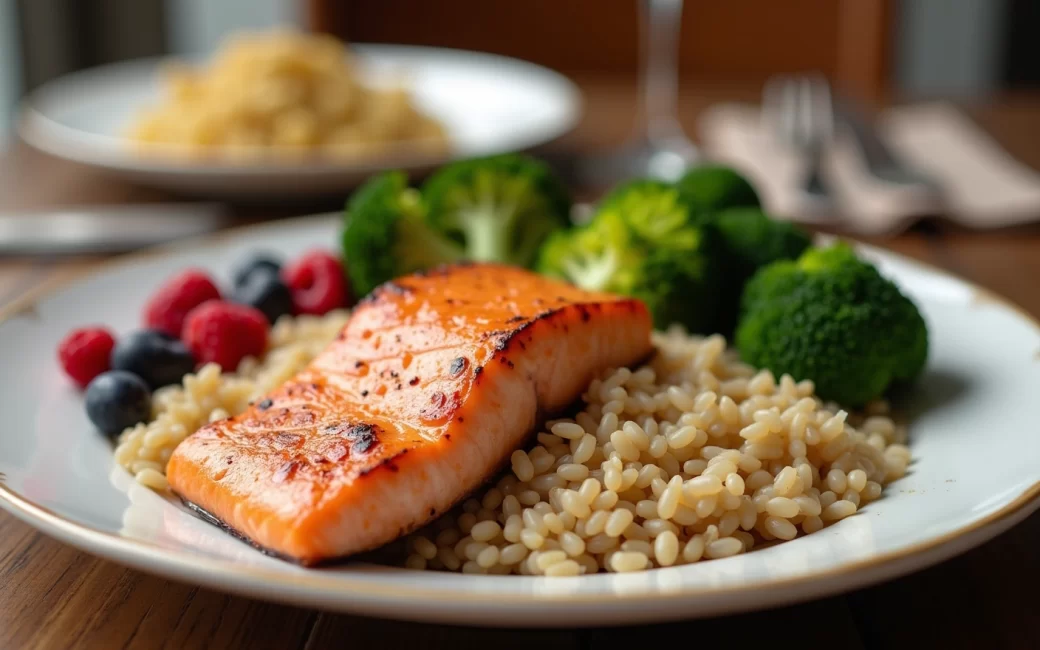
Fruit, vegetables, whole grains, fish, legumes, nuts and low-fat dairy are the foods a cardiac diet is built around. The UC Davis dietitian's list of foods to eat puts fatty fish such as salmon, leafy greens, berries, oats and beans at the center of a weekly rotation, chosen because they supply fiber, unsaturated fat and potassium without adding sodium or added sugar.
Fish deserves particular attention because it is the named protein source that most consistently appears across cardiac diet guidance in place of red meat. Fatty fish — salmon, mackerel, sardines — supplies omega-3 fatty acids linked to lower triglycerides, which is why the Harvard Health guidance recommends fish in place of red or processed meat several times a week rather than as an occasional substitution.
What are three foods cardiologists say not to eat?
There is no single, universally named list of three forbidden foods — cardiac diet guidance speaks in categories rather than banning specific brand-name items. The categories named consistently across sources are processed meat (bacon, sausage, deli meat), foods high in added sugar (sugar-sweetened drinks, pastries, packaged desserts), and highly processed packaged food generally (canned soups, frozen meals, salty snacks), each singled out because they concentrate sodium, saturated fat or added sugar in a small serving.
The Mayo Clinic's eight-step plan and the UC Davis dietitian's guidance both frame these as categories to limit rather than eliminate — the goal is reducing frequency and portion, not treating any single food as forbidden outright.
What is the one snack cardiologists want you to eat for a healthier heart?
There is no single official "one snack" endorsed by name — cardiac diet sources instead point to a small category: unsalted nuts, fruit, or a fruit-and-nut combination. The UC Davis cardiovascular dietitian's list names a handful of unsalted nuts or a piece of fruit as a preferred replacement for chips, crackers or packaged snack bars, chosen because it supplies fiber and unsaturated fat without added sodium or added sugar.
The reason this works as a swap rather than an addition is portion control — nuts and fruit are calorie-dense and sodium-free at once, so replacing a salty packaged snack with a small handful of nuts lowers both sodium and added sugar intake for that eating occasion without adding a new food category to track.
What should I eat on a 7-day cardiac diet?
A week of cardiac-diet eating repeats the same pattern each day rather than following a fixed menu: fruit and whole grains at breakfast, a vegetable-and-lean-protein lunch, fish or legumes several times through the week for dinner, and nuts or fruit for snacks, all built around the DASH-style sodium and added-sugar limits already described. The MSKCC cardiac diet explainer describes the plan as a rotating pattern rather than a rigid seven-day script, because sustainability over months matters more than any single day's exact menu.
A workable week looks like this in structure:
- Breakfast: oats or whole-grain toast with fruit, unsweetened low-fat dairy
- Lunch: a vegetable-heavy salad or soup with a lean protein — beans, chicken, or fish
- Snack: unsalted nuts or a piece of fruit
- Dinner: fish or legumes with a whole grain (brown rice, quinoa) and two vegetables
- Repeat with rotating vegetables, grains and protein sources across the week to avoid the packaged-food shortcuts that reintroduce sodium and added sugar
Heart failure needs stricter limits than general prevention
A cardiac diet for someone managing existing heart failure is not the same plan as general prevention advice for a healthy reader, even though both share the same foundation of fruit, vegetables, whole grains and fish. Heart failure management typically adds a stricter daily sodium ceiling and, in some cases, a fluid restriction, because excess sodium and fluid both increase the volume the weakened heart has to move — the MSKCC cardiac diet guidance notes that sodium targets for heart failure patients are commonly set lower than the general prevention target and should be set with a clinician rather than estimated from general guidance.
Anyone with a heart failure diagnosis, kidney disease or a fluid restriction should treat the general cardiac diet advice in this article as the starting framework, then confirm specific sodium and fluid numbers with their own care team before applying it.