A blood pressure chart is a diagnosis, not just two numbers
A blood pressure reading and hypertension are not the same thing. The reading is a single measurement — a systolic number over a diastolic number, taken at one moment, and it can be pushed up or down by anxiety, caffeine, a full bladder or a badly fitted cuff. Hypertension is the diagnosis given when readings are consistently elevated across repeated visits. A chart tells you where one reading sits on a scale; it does not, by itself, tell you whether you have hypertension.
The scale itself is fairly consistent across major sources, though the exact cut-offs and labels differ slightly between them. The Mayo Clinic and Cleveland Clinic both describe a normal adult reading as under 120 systolic and under 80 diastolic, with categories rising through elevated, stage 1 and stage 2 hypertension, up to a hypertensive crisis that requires emergency care. Blood Pressure UK frames the same idea from the UK side: the top number (systolic) measures the pressure as the heart contracts and pushes blood out, and the bottom number (diastolic) measures the pressure in the arteries between beats, while the heart rests.
A reading of 140 over 70 illustrates why both numbers matter separately. The systolic value of 140 sits at or above the stage 1/stage 2 boundary depending on the source consulted, while the diastolic value of 70 is well within the normal range. Charts that only give a single verdict miss this — a high systolic paired with a normal diastolic is common in older adults and still counts as hypertension, because the categories are set by whichever number is higher.
Lifestyle, dietary and non-modifiable factors raise arterial pressure — and it stays silent
Hypertension develops from a mix of causes that build over years: diet high in sodium, low physical activity, excess weight, alcohol use, family history and age itself. None of these produce symptoms on their own, which is why hypertension is often called a silent condition — pressure can stay elevated for a long time before anything feels wrong.
Because there's nothing to feel, the only way to catch it is to measure it. A diagnosis is confirmed with a repeated two-number reading rather than a single visit, with both numbers together placing someone in a category. Once a category is settled, the response is proportionate: lower categories usually call for lifestyle changes — reducing sodium, increasing activity, moderating alcohol — while higher categories usually add medication. The CDC's blood pressure log exists precisely because home tracking across multiple readings, not one number, is what a clinician needs to make that call.
The payoff for treating a number that "feels fine" is that sustained control measurably lowers the risk of heart attack and heart disease later. Someone who feels well today is not evidence that pressure is fine — it's evidence that damage, if it's happening, hasn't yet announced itself.
Kidney disease and blood pressure reinforce each other in both directions
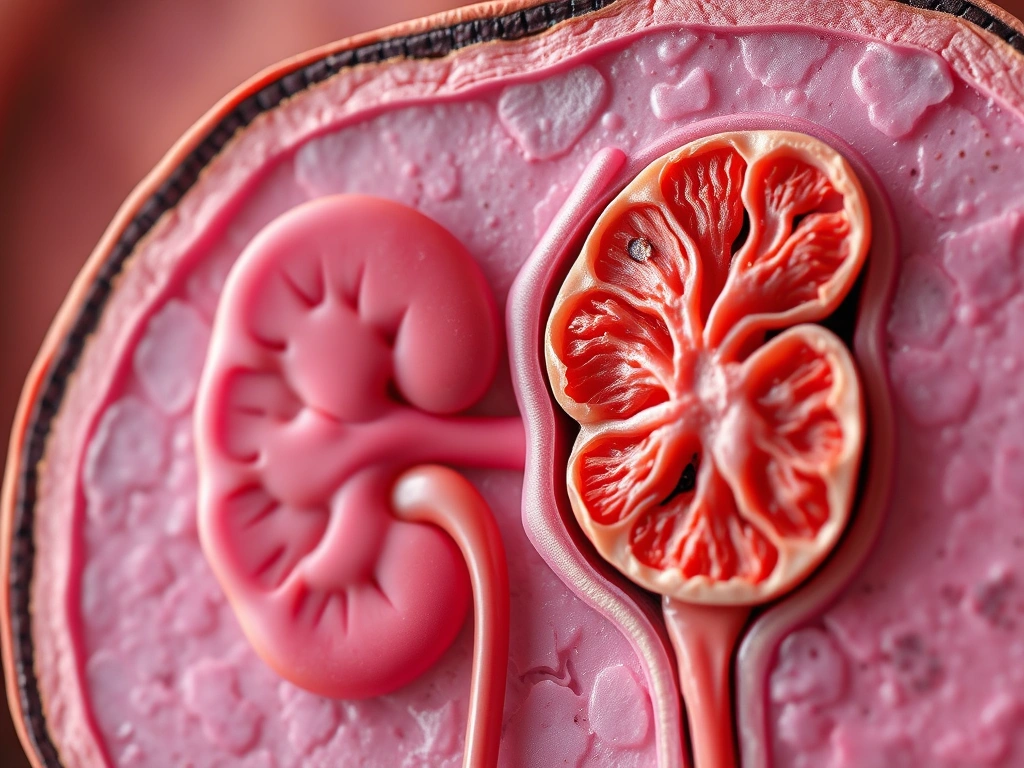
The relationship between kidneys and blood pressure runs both ways, and conflating them is a common gap in blood pressure guidance. Kidneys regulate fluid and sodium balance, which directly affects arterial pressure — when kidney function is impaired, that regulation fails and pressure rises. This is secondary hypertension: high blood pressure caused by an identifiable condition, in this case the kidneys, rather than developing on its own the way primary hypertension does.
Run the direction the other way and the damage compounds. Left untreated, high pressure damages the small blood vessels inside the kidneys, reducing their ability to filter blood and regulate fluid — which pushes pressure higher still. The two conditions feed each other in a loop: worsening kidney function raises pressure, and raised pressure worsens kidney function further.
Breaking that loop means treating both sides at once, not sequentially. Lifestyle changes, sodium reduction and, where prescribed, medication for pressure control are part of kidney care, not a separate track — someone managing kidney disease who ignores their blood pressure chart is leaving one half of the loop unaddressed.
What a single high reading means, and what to do next
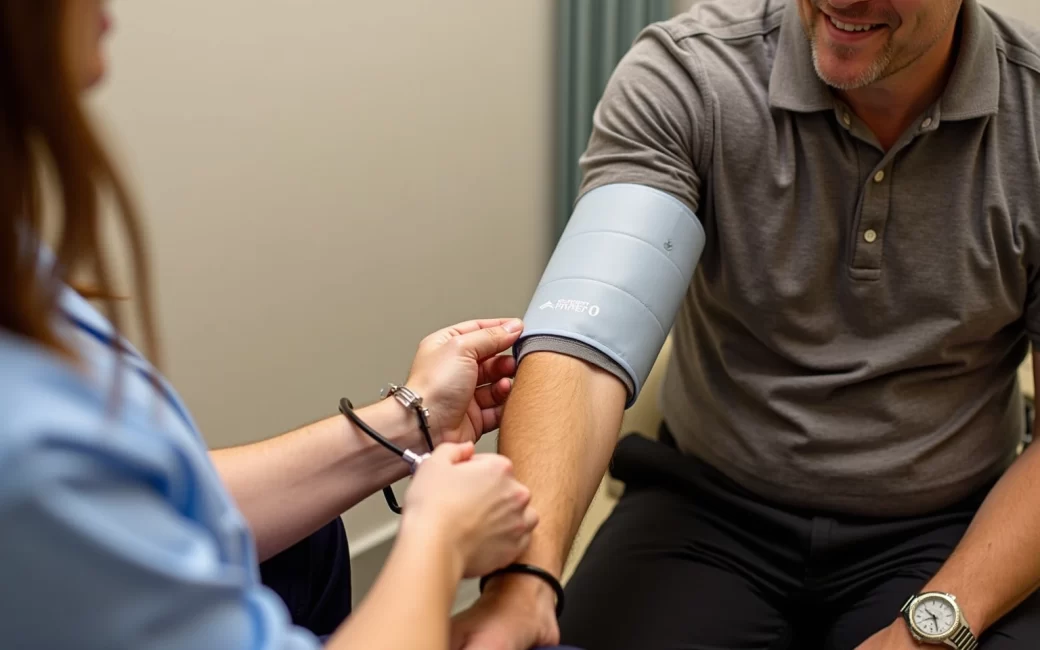
One high reading is a prompt to check again, not a diagnosis. Blood pressure varies naturally through the day and can be thrown off by recent exercise, caffeine, stress, a cold cuff, an unsupported arm or talking during measurement — the NHS and Hypertension Australia both note that resting quietly for a few minutes beforehand, sitting with feet flat and the arm supported at heart level, and avoiding caffeine or exercise in the prior half hour all change the result meaningfully.
The general pattern most sources agree on:
| Category | Systolic (mmHg) | Diastolic (mmHg) | Typical response |
|---|---|---|---|
| Normal | Below 120 | Below 80 | No action needed |
| Elevated | 120–129 | Below 80 | Lifestyle changes |
| Stage 1 hypertension | 130–139 | 80–89 | Lifestyle, medication considered |
| Stage 2 hypertension | 140+ | 90+ | Medication usually indicated |
| Hypertensive crisis | 180+ | 120+ | Emergency care |
This table reflects the ranges described by Mayo Clinic and Cleveland Clinic; exact boundary numbers can differ slightly by source, so treat the categories as a guide rather than an exact cutoff to the digit.
A single elevated reading should be repeated, ideally on a different occasion and under the resting conditions above, before drawing any conclusion. If a second or third reading confirms the elevation, that's when systolic and diastolic values together place someone in a category — and the category, not the single number, is what determines whether lifestyle measures alone are enough or medication should be discussed. A reading at or above 180/120 is treated differently from the rest of the chart: it's a hypertensive crisis, which calls for emergency care immediately rather than a follow-up appointment.
Heart disease is the outcome the chart is trying to prevent
Chronic, uncontrolled hypertension damages the heart over time by forcing it to pump against constantly elevated resistance, which can thicken the heart muscle, weaken it, and eventually lead to heart failure. This is the reason the categories on a blood pressure chart exist at all — not to produce a label, but to catch the pressure trend early enough to prevent the cardiac damage that follows years of neglect.
The distinction worth holding onto is between the acute and the chronic: a single crisis-level reading is a same-day emergency, while stage 1 or stage 2 hypertension sustained for years is a slower path toward the same organ, just via cardiac remodeling rather than a single event. Both start on the same chart. A reading taken today, repeated correctly and tracked over the following weeks, is the first step toward knowing which path applies.