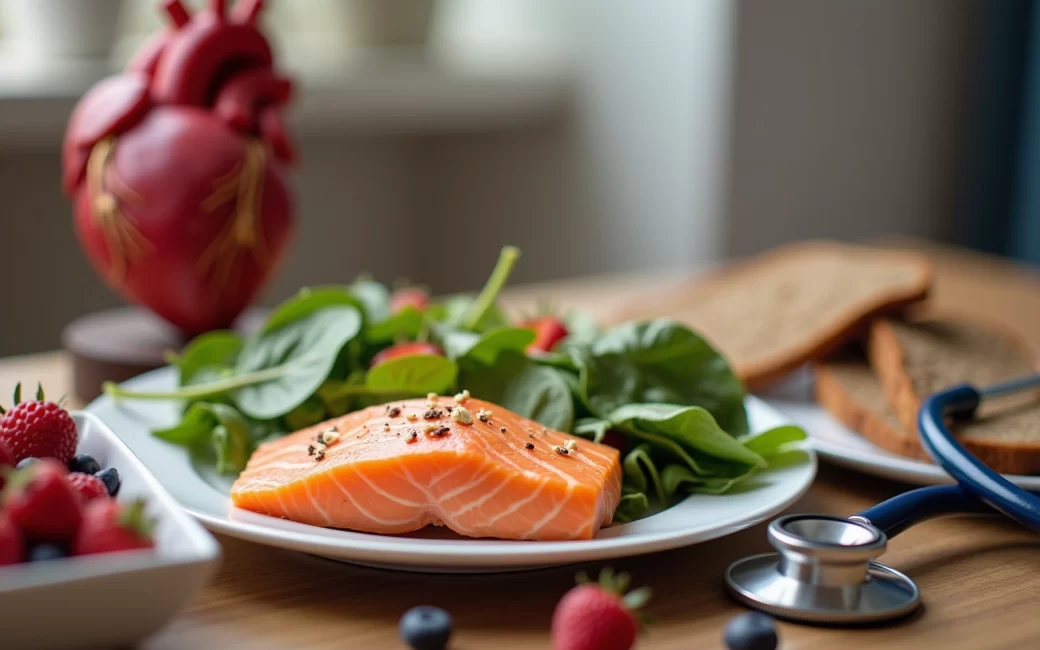
Cardiologists rarely name three specific foods in isolation — they talk about categories, because a single food eaten occasionally does little harm while a pattern eaten daily does. The closest thing to a "three foods" answer is: foods high in sodium (cured meats, canned soups, salty snacks), foods high in saturated and trans fat combined with sodium (fried and highly processed red meat), and foods with added sugar in forms that don't register as "sweets" (flavored yogurts, sauces, bread). The rest of this piece explains why those three categories are singled out and what to actually put on the plate instead.
High intake of processed food and table salt raises sodium intake
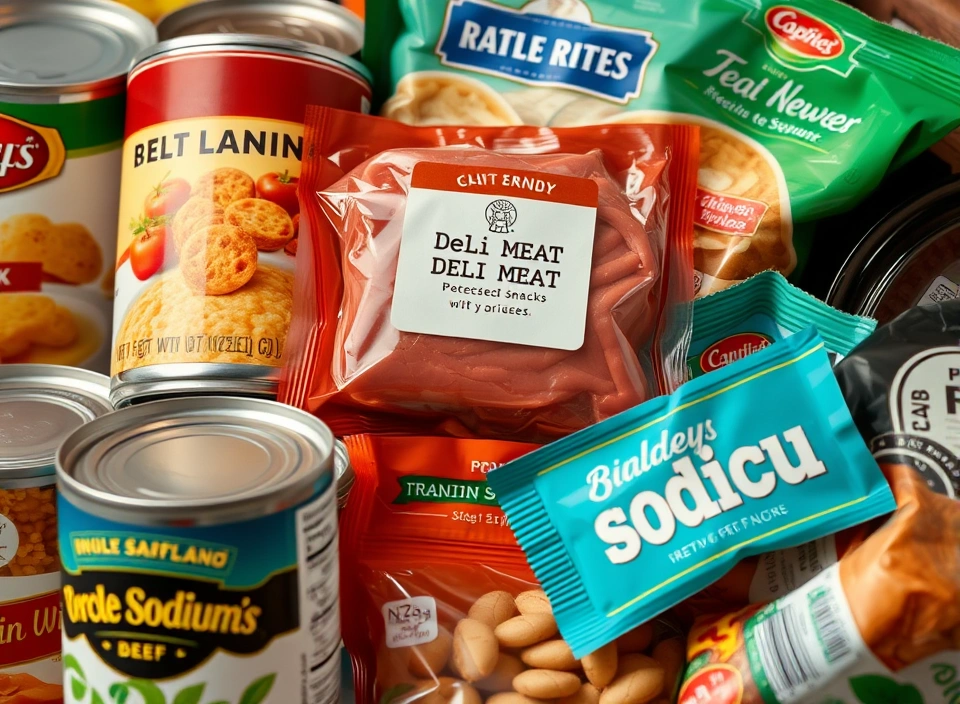
Processed and packaged foods, not the salt shaker on the table, account for most of the sodium in a typical diet, and cardiologists flag them first because the link to blood pressure is direct and well established. Canned soups, deli meats, frozen entrées and salty snacks are repeat offenders because sodium is used as a preservative and flavor carrier, not just a seasoning.
Excess sodium causes the body to retain fluid, which raises blood volume and, over time, blood pressure. Sustained high blood pressure is one of the strongest modifiable drivers of cardiovascular disease, including heart attack, stroke and heart failure. The DASH-style approach to lowering sodium and emphasizing vegetables, fruit and low-fat dairy is the pattern most consistently recommended for bringing blood pressure down without medication as a first step.
Cutting back doesn't mean simply refusing the shaker at dinner — it means changing which packaged foods make it into the cart in the first place, which is the subject of the label-reading section below.
Diet built on refined grains, red or processed meat and added-sugar foods
A diet organized around white bread, processed deli meat and sugary condiments does double damage: it supplies the things cardiologists want limited, and it crowds out the plate space that should go to vegetables, fruit, whole grains and fish. There's only so much room on a plate and in a day's calories, so every serving of refined starch or processed meat is a serving of something protective that didn't happen.
The fix is a substitution, not a subtraction:
- Swap white bread, white rice and sugary cereal for whole-grain bread, brown rice, oats or quinoa.
- Swap processed red meat (bacon, sausage, deli slices) for fish, skinless poultry, beans or lentils several times a week.
- Swap sugar-sweetened sauces and dressings for versions made with olive oil, vinegar and herbs.
General heart-healthy guidance points toward filling most of the plate with vegetables, fruit and whole grains, with lean protein and healthy fats in supporting roles, rather than treating meat and refined carbohydrate as the default base of every meal.
Added sugar and sodium are mostly hidden in packaged foods, not the salt shaker
Most people who try to eat less sodium and sugar cut back on the foods they already know are salty or sweet, then wonder why nothing changes — because the bulk of both nutrients comes from packaged and restaurant food that doesn't taste overtly salty or sweet. Bread, pasta sauce, flavored yogurt, salad dressing and condiments can carry meaningful amounts of sodium or added sugar per serving without tasting like either.
Reading the nutrition facts label is the only reliable way to catch this. The label lists sodium and added sugar per serving in milligrams and grams respectively, and comparing two brands of the same product — say, two jarred pasta sauces — often shows a several-fold difference for an identical-tasting product. Dietitian-reviewed grocery shopping guidance recommends comparing labels side by side at the shelf rather than assuming a product is low-sodium because it isn't salty to taste.
Cooking more meals at home is the practical answer, not because home cooking is inherently virtuous, but because it's the only way to control how much sodium and sugar actually go into a dish rather than trusting a manufacturer's formulation.
What a serving actually looks like
Daily serving counts for vegetables, whole grains and fish are repeated often but rarely defined in a way a reader can picture on their own plate. A useful rough guide, consistent with general heart-healthy eating advice:
| Food group | Example of one serving |
|---|---|
| Vegetables | 1 cup raw leafy greens, or ½ cup cooked vegetables |
| Fruit | One medium piece of fruit, or ½ cup chopped fruit |
| Whole grains | ½ cup cooked brown rice or oats, or one slice of whole-grain bread |
| Fish | About 3 ounces, roughly the size of a deck of cards |
Thinking in these terms turns "eat more vegetables" into something that fits into an actual meal — a cup of spinach in a sandwich, a half-cup of lentils in a soup — rather than a vague aspiration.
Added sugar vs. the sugar naturally in fruit and dairy
Fruit and plain dairy contain naturally occurring sugar, and cardiologists do not ask people to limit these the way they ask people to limit added sugar. The distinction matters because the two get lumped together in casual conversation, and that confusion leads some people to cut fruit when the actual target is sucrose or high-fructose corn syrup added during processing.
Added sugar shows up in flavored yogurt, breakfast cereal, bread, sauces and drinks, often in products that aren't dessert. Fruit, by contrast, comes with fiber, water and micronutrients that slow sugar absorption and are part of the pattern cardiologists recommend increasing, not restricting. The nutrition label separates "Total Sugars" from "Added Sugars" specifically so a product's naturally occurring content (as in plain milk or fruit) isn't confused with sugar added during manufacturing — checking that line is the fastest way to tell the two apart on a packaged product.
The DASH eating plan as the working template
When cardiologists or dietitians describe a heart-healthy pattern in practical terms, they are usually describing something close to the DASH plan — Dietary Approaches to Stop Hypertension — built around vegetables, fruit, whole grains, lean protein and low-fat dairy, with sodium, red meat and added sugar deliberately limited. It isn't a brand-name diet so much as a named, studied version of the same substitutions described above: whole grains instead of refined, fish and legumes instead of processed meat, herbs instead of salt.
Because it was designed and tested specifically to lower blood pressure, DASH is the pattern most often cited as the template behind general "heart-healthy diet" advice, rather than a separate or competing approach.
Prevention versus eating after a cardiac diagnosis
The sodium and fluid targets change once someone has an actual diagnosis, and that distinction is often missing from general advice. A healthy adult aiming to prevent cardiovascular disease is working toward the same DASH-style pattern described above, with sodium reduction as one piece among several.
Someone managing heart failure is typically given a specific daily sodium ceiling and, depending on severity, a daily fluid limit, because excess sodium and fluid directly worsen fluid retention and breathlessness in that condition — a tighter, medically supervised version of the same sodium-reduction principle rather than a different diet. Anyone with a heart failure or kidney diagnosis should get those specific numbers from their own care team rather than applying general prevention targets, since the thresholds are set individually based on severity and kidney function.
Applying the pattern beyond a Western grocery list
Heart-healthy eating advice is often illustrated with ingredients — quinoa, olive oil, salmon — that are either expensive or hard to source in some households and cuisines, which can make the pattern feel unreachable. The underlying principles translate regardless of cuisine: beans, lentils and chickpeas work as the lean-protein swap anywhere dried legumes are affordable and available; whole-grain versions of a culture's staple starch (brown rice, whole-wheat roti, bulgur) do the job that quinoa does on an American plate; and oil-and-herb seasoning can replace salt-heavy bouillon cubes or preserved condiments in most regional cooking styles. The goal — more vegetables and whole grains, less refined starch, processed meat and added sugar — holds across cuisines even when the specific ingredients change.
What to change this week
Start with the one category that's easiest to audit: pull three packaged items from the pantry — a sauce, a bread, a snack — and check the sodium and added sugar lines against each other. Replace the highest one with a lower-sodium or no-added-sugar version, or a home-cooked substitute, and keep the swap the next time that item is bought.