
What blood pressure actually measures, versus what hypertension means
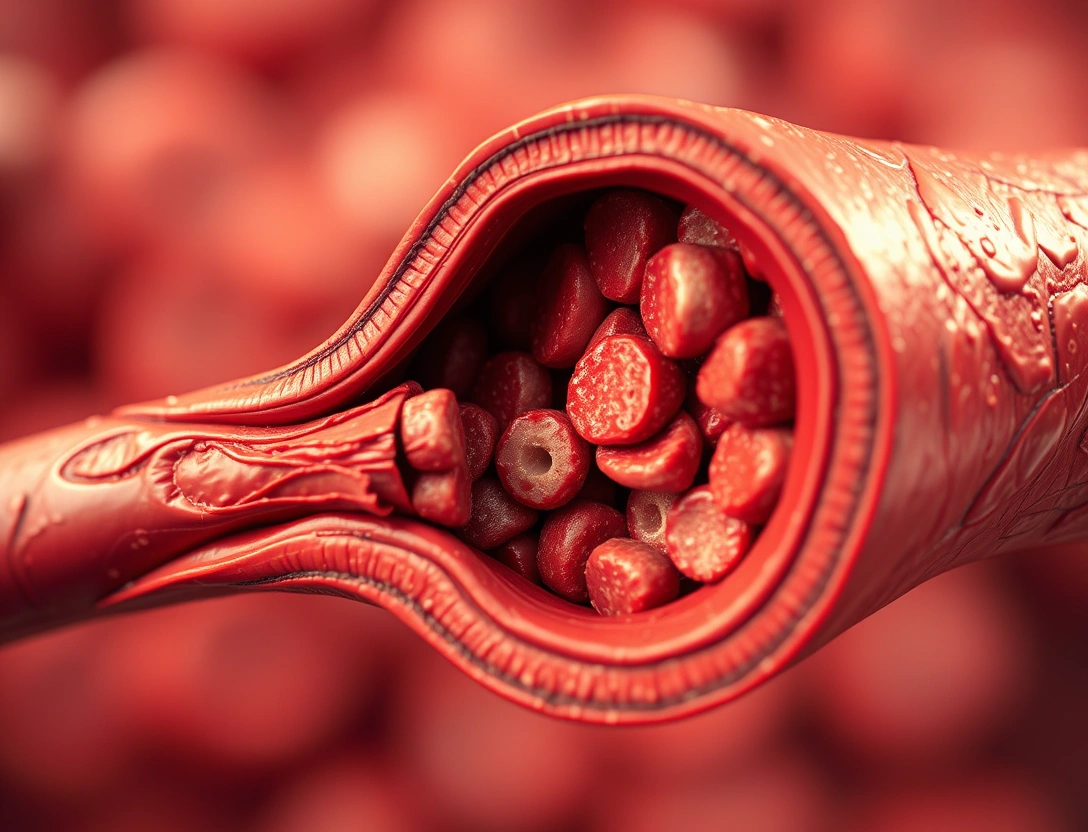
A blood pressure reading is a single measurement: two numbers, one taken as the heart contracts (systolic) and one taken between beats (diastolic), reported as systolic over diastolic. Hypertension is a diagnosis — a persistent pattern of elevated readings over time, confirmed on more than one occasion, not a single number captured in a clinic hallway. The distinction matters because one high reading, taken after a rushed walk or a stressful conversation, describes a moment. Hypertension describes a state that has been present for weeks, months or years, and it's the sustained state — not the one-off spike — that damages arteries.
Both numbers matter, but they describe different phases of the same heartbeat. Systolic pressure reflects the force blood exerts on artery walls while the heart is actively pumping; diastolic reflects the pressure that remains while the heart rests and refills. A reading can be elevated in either number, or both, and clinicians use the combination — not one number alone — to decide whether hypertension is present and how severe it is, according to Harvard Health's overview of the condition and its measurement standards.
Blood pressure stages: from normal to stage 2

Because the same two numbers can mean different things depending on where they fall, clinical guidance sorts readings into categories rather than treating "high" as one undifferentiated zone. Harvard Health's summary of these categories distinguishes normal pressure from elevated readings, from stage 1 and stage 2 hypertension, based on where systolic and diastolic numbers land.
| Category | Systolic (mmHg) | Diastolic (mmHg) |
|---|---|---|
| Normal | Below 120 | Below 80 |
| Elevated | 120–129 | Below 80 |
| Stage 1 hypertension | 130–139 | 80–89 |
| Stage 2 hypertension | 140 or higher | 90 or higher |
These thresholds are what a provider checks a repeated reading against before assigning a stage. Stage 2 is the point at which lifestyle measures alone are usually considered insufficient and medication is more strongly indicated, because the artery-damaging effects described below accelerate as pressure climbs further above normal.
A single elevated reading doesn't confirm any of this. Guidance calls for the measurement to be repeated — on a different occasion, under similar resting conditions — before a diagnosis is made, precisely because pressure fluctuates with activity, stress, caffeine and the anxiety of being measured at all. It's the repeated, consistent pattern that earns the label hypertension, and it's that pattern that predicts long-term arterial harm.
Why hypertension causes no symptoms until it does
High blood pressure is frequently called a silent condition because the artery damage it causes builds gradually and painlessly, with no warning signs for years. The World Health Organization notes that most people with hypertension are unaware of it, since it rarely produces symptoms on its own — the damage happens quietly, inside vessel walls, while the person feels entirely normal.
That silence is exactly why measurement matters more than how someone feels. A person can have arteries stiffening and thickening under sustained pressure for a decade before any event — a heart attack, a stroke, kidney impairment — makes the damage visible. Regular blood pressure checks are the only way to catch the pattern before it produces a crisis, which is why screening is recommended even for people who have no reason to suspect anything is wrong.
Five ways sustained high pressure damages arteries
Chronic hypertension doesn't injure arteries all at once; it wears them down through several overlapping mechanisms, each of which raises the odds of a heart attack.
- Endothelial injury. The constant excess force against the artery's inner lining damages the endothelial cells that keep vessel walls smooth and responsive, making the artery more prone to plaque buildup.
- Arterial stiffening. Sustained pressure causes the artery wall itself to thicken and lose elasticity over time, so vessels can no longer expand and contract normally with each heartbeat.
- Accelerated atherosclerosis. Damaged, stiffened artery walls trap cholesterol and other particles more readily, speeding the formation of plaques that narrow the vessel.
- Left ventricular strain. As arteries stiffen and resist blood flow, the heart's left ventricle works harder to push blood through them, thickening the heart muscle and eventually weakening its pumping ability.
- Plaque rupture and clot formation. A narrowed, plaque-lined artery is far more likely to have a plaque rupture and trigger a clot that blocks blood flow entirely — the direct mechanical event behind most heart attacks.
Each of these stages builds on the last, which is why hypertension's cardiovascular risk compounds the longer it goes uncontrolled rather than staying flat.
What happens in a hypertensive crisis versus chronic damage
The five mechanisms above describe slow, cumulative injury — arteries wearing down over years. A hypertensive crisis is a separate, acute event: a sudden, severe spike in blood pressure that can cause organ damage within hours rather than years. The Cleveland Clinic's overview of hypertension distinguishes the two by timeline and mechanism — chronic hypertension silently remodels vessels over a long period, while a crisis is a rapid surge that can trigger immediate stroke, acute heart failure or kidney injury.
This distinction matters for a reader trying to interpret a specific number. Chronic stage 1 or stage 2 hypertension, left unaddressed, works through the artery damage described above over years. A single reading far above the stage 2 threshold, especially with symptoms like severe headache, chest pain, shortness of breath or vision changes, is a different situation — one that warrants same-day medical attention rather than a routine follow-up appointment.
How the diagnosis is confirmed and what happens next
Getting from "one high reading" to "diagnosed and treated" follows a fairly consistent sequence:
- A reading is taken, often at a routine visit or a pharmacy check, and comes back elevated.
- The reading is repeated — ideally on a separate occasion, resting, without recent caffeine or exercise — because a single number doesn't confirm hypertension.
- If the pattern holds, systolic and diastolic values are compared against the stage thresholds to classify the reading as elevated, stage 1 or stage 2.
- The provider considers additional risk factors — age, kidney function, diabetes, existing heart disease — alongside the stage to decide on a treatment path.
- Depending on stage and risk, the plan is lifestyle change alone, medication alone, or both together, with follow-up readings to confirm the plan is working.
This process is why someone who feels completely well should still take a diagnosis seriously: the label isn't applied casually, and by the time it's confirmed, the reading has already met a defined clinical bar.
Primary hypertension: why most cases have no single cause
Most hypertension is classified as primary, or essential, hypertension — meaning no single identifiable cause explains it, and it develops gradually over years rather than arising from one triggering event. The University of Utah's cardiovascular program describes primary hypertension as the result of a combination of factors that build up gradually, including genetics, aging, and long-term lifestyle patterns, rather than any single condition acting alone.
This is different from secondary hypertension, where an identifiable underlying condition — most commonly kidney disease — is driving the elevated pressure directly. The distinction matters for treatment: primary hypertension is generally managed through the sequence above, lifestyle changes and medication aimed at the pressure itself, while secondary hypertension requires treating the underlying condition alongside the pressure or the numbers won't come down.
Lifestyle, dietary and non-modifiable factors that raise arterial pressure
Primary hypertension's lack of a single cause doesn't mean it's unpredictable — it means several factors act together. The British Heart Foundation points to overlapping contributors that push pressure upward over time:
- A diet high in sodium, which causes the body to retain more fluid and increases the volume of blood the heart must push through vessels.
- Insufficient physical activity, which weakens the heart's efficiency and contributes to weight gain.
- Excess body weight, which raises the workload on the cardiovascular system.
- Heavy alcohol use and smoking, both of which directly damage artery walls over time.
- Chronic stress, which raises pressure acutely and, when sustained, may contribute to longer-term elevation.
- Age and family history, which are not modifiable but raise baseline risk and make monitoring more important.
None of these factors alone typically causes hypertension in isolation; it's the accumulation, often over years, that produces the sustained elevation described earlier. This is also why treatment for primary hypertension usually starts with addressing several of these factors together rather than isolating one.
Once hypertension is confirmed and staged, treatment isn't optional decoration — it's what interrupts the five-step arterial damage sequence described above before it reaches the point of plaque rupture. Sustained control of blood pressure, whether through lifestyle change, medication or both, is what reduces the risk of heart attack, stroke and heart disease relative to leaving pressure elevated, as the World Health Organization's hypertension fact sheet notes. That reduction in risk is the entire point of the diagnosis-and-staging process: it identifies who needs intervention before the silent damage becomes an acute event.
Kidney disease and hypertension: a two-way relationship
Kidney disease and hypertension don't just co-occur — they drive each other in both directions, and separating the two directions matters for understanding why treatment has to address both at once. The National Kidney Foundation explains that healthy kidneys regulate blood pressure by managing fluid balance and producing hormones that control vessel constriction; when kidney function declines, that regulation breaks down and pressure rises as a direct consequence — a pattern classified as secondary hypertension rather than primary.
The reverse direction runs just as strongly. Sustained high pressure, left uncontrolled, damages the small blood vessels within the kidneys themselves, gradually impairing their ability to filter blood and regulate fluid — the same endothelial and vessel-wall damage described in the artery-damage sequence above, but occurring inside the kidney's own vasculature. Once that damage starts, kidney function declines further, which removes more of the body's ability to regulate pressure, which raises pressure further, which damages the kidneys more. The two conditions reinforce each other in a loop rather than sitting as separate diagnoses.
Breaking that loop is why kidney disease and blood pressure are treated together rather than as separate problems: controlling pressure protects remaining kidney function, and protecting kidney function makes pressure easier to control. For anyone with existing kidney impairment, blood pressure targets and monitoring aren't a side note to kidney care — they're one of its central components.
What to do with a high reading right now
If a recent reading falls at or above the stage 2 threshold — 140 systolic or 90 diastolic — the next step is a repeat measurement under resting conditions, followed by a conversation with a healthcare provider about staging and next steps, not a wait-and-see approach. If the reading is accompanied by chest pain, severe headache, shortness of breath or vision changes, that combination warrants same-day medical attention rather than a routine appointment. For a stage 1 reading with no symptoms, the reasonable next step is confirming the pattern with a second reading and discussing lifestyle changes and monitoring frequency with a provider before deciding whether medication is needed.